

 0
0

โต๊ะยืนแบบแมนนวลและแบบไฟฟ้า: อันไหนดีที่สุดสำหรับโฮมออฟฟิศของคุณ?
ในยุคปัจจุบันของ "การปฏิวัติการทำงานแบบผสมผสาน" การเปลี่ยนจากไลฟ์สไตล์แบบนั่งนิ่งไปเป็นเวิร์คสเตชั่นที่กระตือรือร้นไม่ได้เป็นแค่กระแสอีกต่อไป แต่ยังเป็นสิ่งจำเป็นด้านสุขภาพอีกด้วย เนื่องจากผู้เชี่ยวชาญด้านโฮมออฟฟิศพยายามลดความเสี่ยงของ "โรคจากการนั่ง" โต๊ะยืนจึงกลายเป็นหัวใจสำคัญของสภาพแวดล้อมที่เหมาะกับสรีระ อย่างไรก็ตาม จุดขัดแย้งที่พบบ่อยที่สุดสำหรับผู้ซื้อยังคงเป็นกลไก: เกียร์ธรรมดากับระบบไฟฟ้า .
การเลือกโต๊ะที่เหมาะสมคือการลงทุนเพื่อสุขภาพกระดูกสันหลังในระยะยาวและประสิทธิภาพการทำงานในแต่ละวัน โต๊ะทำงานแบบแมนนวลมอบประสบการณ์สัมผัสที่ไร้สายไฟซึ่งดึงดูดใจคนสไตล์มินิมอล ในขณะที่โต๊ะไฟฟ้ามอบความสะดวกสบายแบบไฮเทคที่ไร้รอยต่อซึ่งกำหนดพื้นที่ทำงานประสิทธิภาพสูง
ความสมบูรณ์ทางกลของโต๊ะยืนแบบแมนนวล
คู่มือ โต๊ะยืน ซึ่งมักถูกมองข้ามในยุคของระบบอัตโนมัติ เป็นตัวแทนของการผสมผสานระหว่างความน่าเชื่อถือและความเรียบง่าย โดยทั่วไปโต๊ะเหล่านี้ทำงานโดยใช้กลไกใดกลไกหนึ่งจากสองกลไก: ระบบข้อเหวี่ยงมือ หรือก ลิฟท์นิวแมติก (สปริงแก๊ส) .
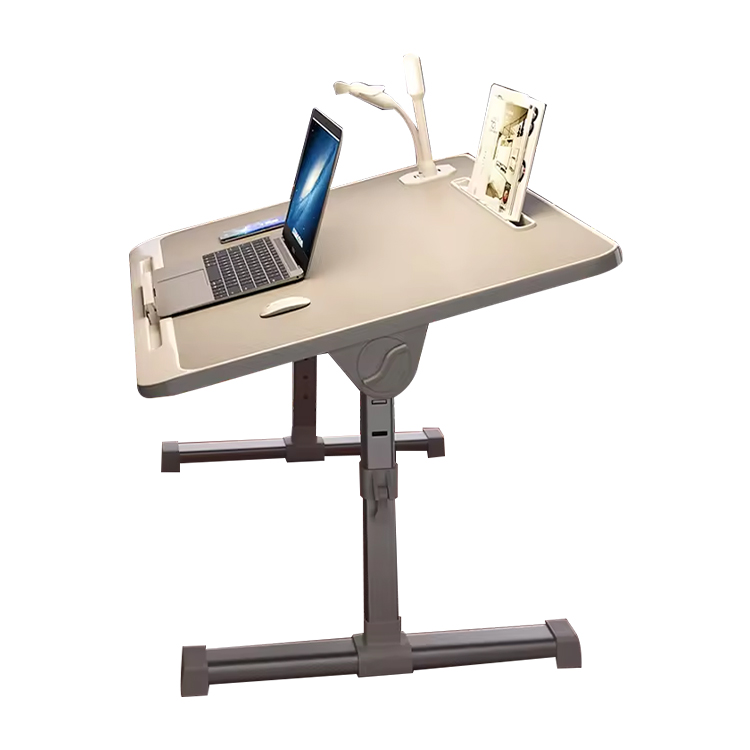
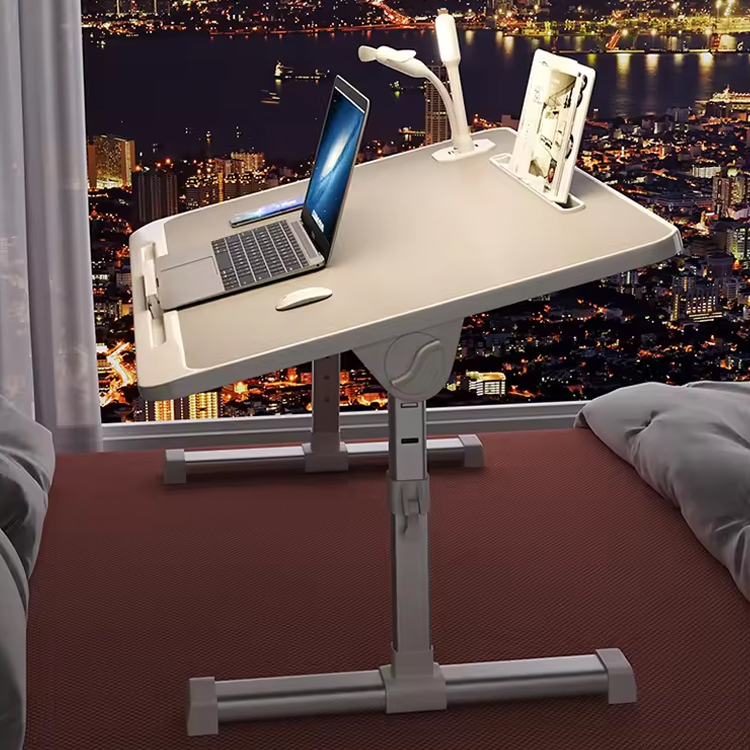
กลไกข้อเหวี่ยงมือ: ความแม่นยำและความทนทาน
โต๊ะยืนแบบมือหมุนคือโซลูชัน "แอนะล็อก" ที่เป็นแก่นสาร ด้วยการหมุนคันโยก ผู้ใช้จะเข้าเกียร์หลายชุดซึ่งจะค่อยๆ ยกเดสก์ท็อปขึ้น สำหรับผู้ที่มุ่งความสนใจไปที่ เฟอร์นิเจอร์โฮมออฟฟิศที่ยั่งยืน โต๊ะแบบแมนนวลเป็นผู้ชนะ ไม่จำเป็นต้องใช้ไฟฟ้า ลดการปล่อยก๊าซคาร์บอนไดออกไซด์ และขจัดความจำเป็นในการจัดการสายเคเบิลที่ซับซ้อนใกล้กับปลั๊กไฟ
อย่างไรก็ตาม ตัวแปร “ความพยายามของผู้ใช้” มีความสำคัญ การยกโต๊ะจากความสูงนั่ง (ประมาณ 72 ซม.) ไปเป็นความสูงยืน (ประมาณ 110 ซม.) อาจต้องหมุนทั้งหมด 30 ถึง 50 รอบ หากขั้นตอนการทำงานของคุณต้องมีการเปลี่ยนบ่อยครั้ง โดยยืนเป็นเวลา 20 นาที แล้วนั่งเป็นเวลา 40 นาที การใช้แรงงานคนที่เกี่ยวข้องอาจกลายเป็นอุปสรรค ซึ่งมักจะทำให้ผู้ใช้ต้องออกจากโต๊ะในตำแหน่งเดียวอย่างไม่มีกำหนด ซึ่งขัดต่อหลักสรีระศาสตร์
ลิฟต์ลม: ทางเลือกที่เงียบ
โต๊ะทำงานแบบนิวแมติกทำงานคล้ายกับเก้าอี้สำนักงานระดับไฮเอนด์ โดยใช้ถังแรงดันแก๊ส สิ่งเหล่านี้เร็วกว่าโต๊ะหมุนอย่างมากและทำงานเงียบเกือบหมด เหมาะสำหรับผู้ใช้ที่ให้ความสำคัญกับความเร็วแต่ยังคงต้องการ "นอกเครือข่าย" ข้อจำกัดนี้มักจะอยู่ที่ความสามารถในการรับน้ำหนัก หากเวิร์กสเตชันของคุณมีจอภาพสตูดิโอที่มีน้ำหนักมากหรือพีซีทาวเวอร์ ความตึงแบบนิวแมติกอาจประสบปัญหาเพื่อให้การยกราบรื่น
การเพิ่มขึ้นของโต๊ะยืนไฟฟ้า: ระบบอัตโนมัติและประสิทธิภาพ
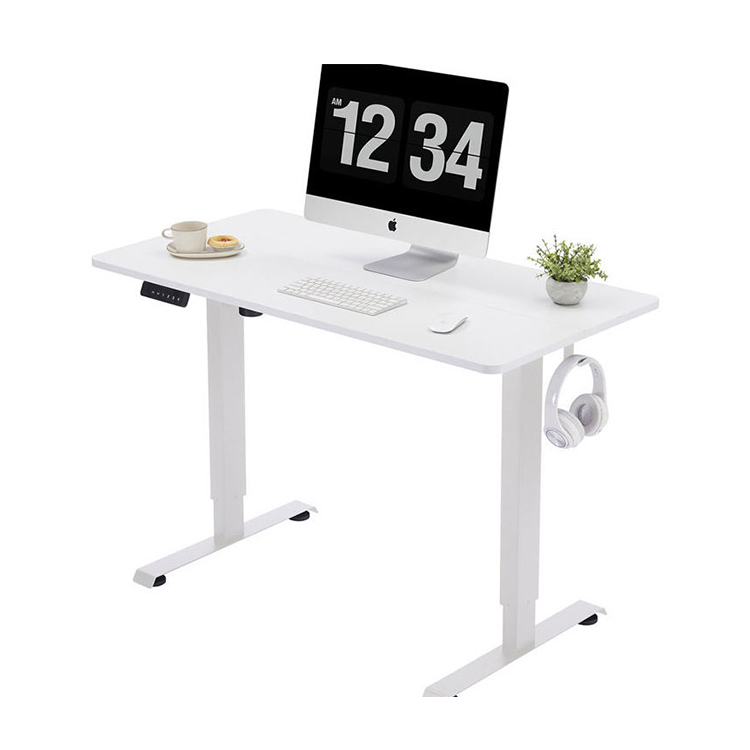
โต๊ะยืนไฟฟ้าได้กลายเป็นมาตรฐานทองคำสำหรับโฮมออฟฟิศระดับมืออาชีพ ขับเคลื่อนโดยทั้งก มอเตอร์เดี่ยว หรือก ระบบมอเตอร์คู่ โต๊ะเหล่านี้จะขจัดอุปสรรคทางกายภาพในการเคลื่อนไหว ทำให้ "การเปลี่ยนท่าทาง" เป็นส่วนหนึ่งของวันของคุณได้อย่างง่ายดาย
การยศาสตร์ขั้นสูงผ่านลอจิกที่ตั้งโปรแกรมได้
ข้อได้เปรียบที่แท้จริงของโต๊ะไฟฟ้าอยู่ที่ตัวมันเอง ตัวควบคุมหน่วยความจำที่ตั้งไว้ล่วงหน้า . ยูนิตที่ทันสมัยส่วนใหญ่ช่วยให้คุณสามารถบันทึก "จุดหวาน" ที่แน่นอนสำหรับความสูงในการนั่งและยืนได้ ความแม่นยำนี้ช่วยให้แน่ใจว่าข้อศอกของคุณรักษามุม 90 องศาอยู่เสมอ และดวงตาของคุณยังคงอยู่ในระดับที่สามบนสุดของจอภาพ ซึ่งเป็นปัจจัยสำคัญในการป้องกันอาการบาดเจ็บจากความเครียดซ้ำๆ (RSI)
พลังมอเตอร์คู่และความเสถียร
เมื่อพูดคุยกัน โต๊ะยืนรับน้ำหนักได้สูง , รุ่นไฟฟ้าไม่มีใครเทียบได้ ระบบมอเตอร์คู่ซ่อนมอเตอร์ไว้ที่ขาแต่ละข้าง ช่วยให้โต๊ะยกน้ำหนักได้ตั้งแต่ 120 กก. ถึง 150 กก. โดยไม่กระตุก นี่เป็นสิ่งสำคัญสำหรับมืออาชีพที่มีการตั้งค่า "สมรภูมิรบ" ที่เกี่ยวข้องกับจอภาพหลายจอ ลำโพงขนาดใหญ่ และแผ่นรองโต๊ะที่กว้างขวาง นอกจากนี้ โต๊ะไฟฟ้าระดับบนสุดมักประกอบด้วย เทคโนโลยีป้องกันการชนกัน ซึ่งใช้เซ็นเซอร์ไจโรสโคปิกเพื่อหยุดมอเตอร์หากโต๊ะชนเก้าอี้หรือตู้เก็บเอกสาร ช่วยปกป้องการลงทุนด้านเฟอร์นิเจอร์ของคุณ
การเปรียบเทียบที่ครอบคลุม: ข้อมูลจำเพาะทางเทคนิค
เพื่อให้เห็นภาพข้อดีข้อเสียระหว่างสองประเภทนี้ ตารางต่อไปนี้จะเปรียบเทียบเมตริกสำคัญที่ส่งผลต่อการใช้งานระดับมืออาชีพในแต่ละวัน
| คุณสมบัติ | คู่มือ (Hand Crank) | ไฟฟ้า (มอเตอร์คู่) |
|---|---|---|
| ความเร็วในการปรับ | 5-10 มม. ต่อการหมุน (ช้า) | 30-40 มม. ต่อวินาที (เร็ว) |
| ระดับเสียงรบกวน | เงียบไปต่ำ (การคลิกแบบกลไก) | 40-50 dB (เสียงกระซิบฮัม) |
| ความจุน้ำหนัก | 40 กก. – 80 กก | 100 กก. – 160 กก |
| แหล่งพลังงาน | พลังมนุษย์ (ไร้สาย) | ต้องใช้ปลั๊กไฟ AC |
| ความน่าเชื่อถือ | สูงมาก (มีชิ้นส่วนที่เคลื่อนไหวน้อย) | สูง (ขึ้นอยู่กับคุณภาพมอเตอร์) |
| จุดราคา | $ (เป็นมิตรกับงบประมาณ) | $$$ (การลงทุนระดับพรีเมียม) |
โต๊ะประเภทใดที่เพิ่ม ROI ของคุณให้สูงสุด?
การตัดสินใจเลือกโต๊ะที่ “ดีที่สุด” ขึ้นอยู่กับขั้นตอนการทำงานและสภาพแวดล้อมเฉพาะของคุณ ผลตอบแทนจากการลงทุน (ROI) ของโต๊ะทำงานที่เหมาะกับสรีระไม่ได้วัดกันเป็นดอลลาร์เท่านั้น แต่ยังวัดจากการลดอาการปวดหลังและเพิ่มสมาธิอีกด้วย
เคสสำหรับโต๊ะทำงานแบบแมนนวลในพื้นที่เรียบง่าย
หากคุณทำงานในพื้นที่ที่ปลั๊กไฟไม่เพียงพอ หรือหากคุณชอบรูปแบบโต๊ะลอย “กลางห้อง” โต๊ะทำงานแบบแมนนวลจะดีกว่า การไม่มีสายเคเบิลทำให้มีความสวยงามมากขึ้น นอกจากนี้ยังเป็นตัวเลือกยอดนิยมสำหรับผู้ที่มองว่าโต๊ะทำงานเป็นเฟอร์นิเจอร์ที่ "ซื้อได้ตลอดชีวิต" ในระยะยาว เนื่องจากไม่มีชิ้นส่วนอิเล็กทรอนิกส์ที่อาจเสียหายหรือล้าสมัยได้ในที่สุด
เหตุใดผู้เชี่ยวชาญด้านประสิทธิภาพสูงจึงเลือกระบบไฟฟ้า
สำหรับ “ผู้ใช้ระดับสูง” ที่ใช้เวลาอยู่ที่สถานี 8 ชั่วโมงต่อวัน โต๊ะไฟฟ้าคือตัวคูณประสิทธิภาพการทำงาน ความง่ายในการกดปุ่มหมายความว่าคุณเป็น มีแนวโน้มว่าจะใช้ฟีเจอร์ยืนจริงมากกว่าทางสถิติ . การวิจัยชี้ให้เห็นว่าวิธีที่มีประสิทธิภาพมากที่สุดในการใช้โต๊ะยืนคือกฎ 20-8-2 (นั่ง 20 นาที ยืน 8 นาที เคลื่อนไหว 2 นาที) การบรรลุความถี่นี้ด้วยข้อเหวี่ยงแบบแมนนวลแทบจะเป็นไปไม่ได้เลยสำหรับมืออาชีพที่มีงานยุ่งส่วนใหญ่ ทำให้มอเตอร์ไฟฟ้าเป็นเครื่องมือสำคัญในการปฏิบัติตามข้อกำหนดด้านสุขภาพ
คำถามที่พบบ่อย (FAQ)
คำถามที่ 1: โต๊ะยืนไฟฟ้ากินไฟมากหรือไม่
ไม่ โต๊ะไฟฟ้าส่วนใหญ่ใช้พลังงานน้อยมาก โดยปกติแล้วจะน้อยกว่า 0.5 วัตต์ในโหมดสแตนด์บาย แม้ในระหว่างการปรับความสูง การดึงพลังงานจะใช้เพียงเล็กน้อยและคงอยู่เพียงไม่กี่วินาทีเท่านั้น
คำถามที่ 2: ฉันสามารถเปลี่ยนโต๊ะธรรมดาให้เป็นโต๊ะไฟฟ้าในภายหลังได้หรือไม่
โดยทั่วไปไม่มี สถาปัตยกรรมเฟรมและเสาขาได้รับการออกแบบมาโดยเฉพาะสำหรับกลไกที่เกี่ยวข้อง ควรตัดสินใจเลือกวิธีการที่คุณต้องการก่อนซื้อ
คำถามที่ 3: โต๊ะไฟฟ้ามีเสียงดังกว่าโต๊ะธรรมดาหรือไม่?
แม้ว่าโต๊ะทำงานแบบแมนนวลเกือบจะเงียบ แต่มอเตอร์ไฟฟ้าสมัยใหม่ได้รับการออกแบบให้ "เงียบกริบ" (ต่ำกว่า 50 เดซิเบล) ซึ่งเงียบกว่าการสนทนาในสำนักงานทั่วไป
Q4: ประกอบโต๊ะยืนไฟฟ้ายากไหม?
โต๊ะไฟฟ้าส่วนใหญ่มาพร้อมกับมอเตอร์ที่ติดตั้งไว้ล่วงหน้าในโครง โดยปกติการประกอบจะใช้เวลา 30–60 นาที ซึ่งเทียบได้กับการประกอบโต๊ะแบบแมนนวล
การอ้างอิงและการอ้างอิง
- Chambers, A.J. และคณะ (2025) ผลกระทบของเครื่องนั่งแบบยืนต่อภาระของกระดูกสันหลังและสุขภาพของกล้ามเนื้อและกระดูกในสภาพแวดล้อมห่างไกล วารสารวิจัยการยศาสตร์.
- สถาบันสุขภาพโลก (2024) เทรนด์สุขภาพในที่ทำงาน: วิวัฒนาการของสำนักงานที่กระตือรือร้น
- ISO 9241-5:2024. ข้อกำหนดตามหลักสรีระศาสตร์สำหรับงานในสำนักงานที่มีหน้าจอแสดงภาพ (VDT) - ส่วนที่ 5: ข้อกำหนดด้านเค้าโครงเวิร์กสเตชันและท่าทาง
- เฮดจ์, เอ. (2026) กฎ 20-8-2: เพิ่มสุขภาพการเผาผลาญให้สูงสุดด้วยการหมุนท่าทาง ห้องปฏิบัติการการยศาสตร์มหาวิทยาลัยคอร์เนล





-
 Kaifat Group, No.599, Qiming Road, Yinzhou Incubation, หนิงโป, จีน
-
 +86-574-55665196
-
 [email protected]
ลิขสิทธิ์ © Ningbo Ofitech Business Machines Co., Ltd. สงวนลิขสิทธิ์
